
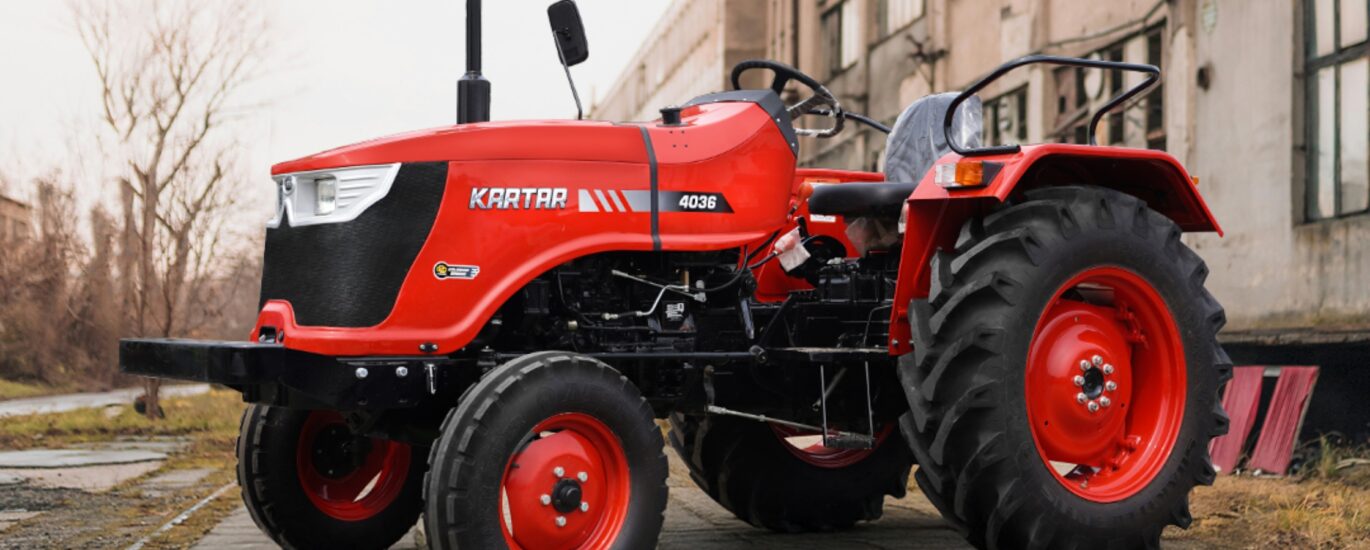
Buying a tractor is one of the most important decisions a farmer makes. A tractor is not just a machine it is a long-term partner in daily farming operations. Choosing the wrong tractor can lead to higher fuel costs, reduced efficiency, and maintenance challenges. Choosing the right one can significantly improve productivity and profitability.
Understand Your Farming Needs
The first step in selecting a tractor is understanding how and where it will be used. Factors such as land size, crop type, soil condition, and farming operations all influence the ideal tractor choice.
Ask yourself:
- What is the size of my land?
- Which crops do I grow?
- What implements will I use?
- Is my land flat or uneven?
Selecting the Right Horsepower (HP)
Horsepower is often the most discussed factor but more HP does not always mean better performance.
- Small farms (up to 5 acres): 24–35 HP tractors
- Medium farms (5–20 acres): 35–60 HP tractors
- Large farms & commercial use: 60 HP and above
Choosing the right HP ensures optimal fuel efficiency and reduces unnecessary strain on the engine.
Compatibility with Implements
A tractor’s real value lies in its ability to work with multiple implements such as ploughs, rotavators, seed drills, trolleys, and harvest attachments. Before purchasing, ensure that:
- The tractor supports required PTO power
- Hydraulic lifting capacity matches implement weight
- Implements are easily available and compatible
Fuel Efficiency and Operating Cost
Fuel costs are a major part of farming expenses. A fuel-efficient tractor helps reduce operational costs over time. Look for:
- Efficient engine design
- Proper gear ratios for field and transport work
- Reliable cooling systems for long working hours
Comfort and Ease of Operation
Modern tractors are designed with operator comfort in mind. Features such as ergonomic seating, easy-to-reach controls, and smooth steering reduce fatigue and improve productivity especially during long working days.
Service Support and Spare Availability
No matter how good a tractor is, service support matters. Choose a brand with:
- Wide service network
- Easily available spare parts
- Trained service technicians
This ensures minimal downtime during peak farming seasons.
Long-Term Reliability
A tractor is a long-term investment. Strong build quality, durable components, and proven engineering ensure that the machine performs reliably for years with minimal maintenance.
Conclusion
Choosing the right tractor is about balance not just power, but suitability. By understanding your farming needs, selecting the right HP, ensuring implement compatibility, and considering long-term costs, you can invest in a tractor that truly supports your farming goals.
A well-chosen tractor becomes more than a machine it becomes a trusted partner in progress.