
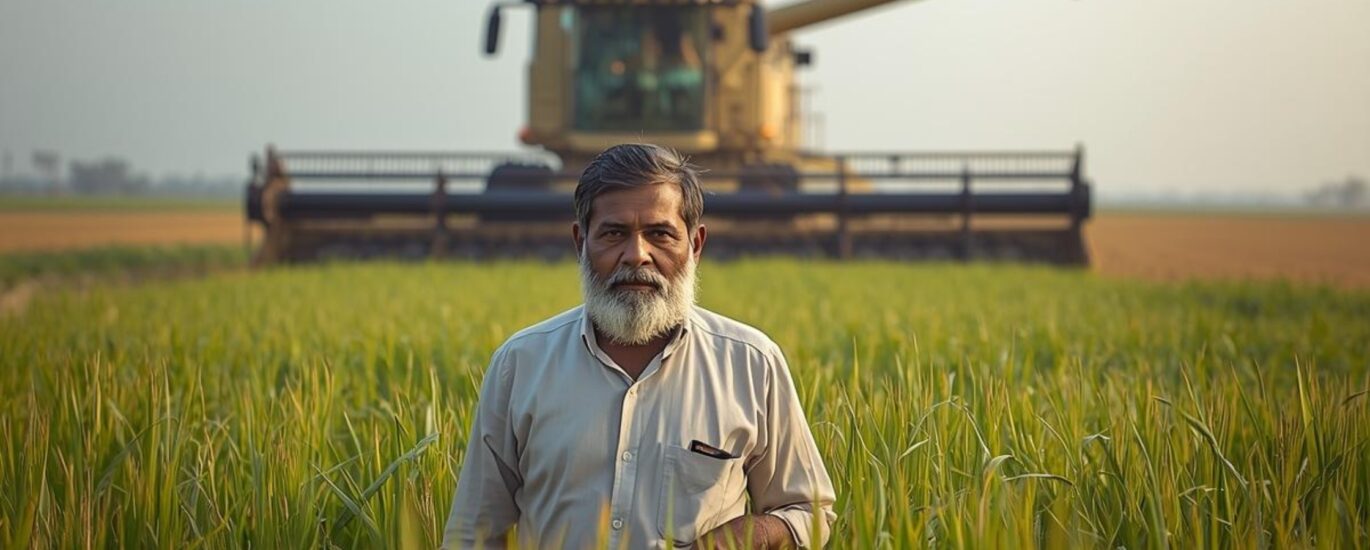
Indian agriculture has always been the backbone of the nation’s economy. However, farming today faces challenges that were unheard of a few decades ago, labor shortages, rising operational costs, shorter harvesting windows, and unpredictable weather conditions. In this evolving landscape, modern combine harvesters have emerged as a game-changing solution for farmers across the country.
The Shift from Traditional to Mechanized Harvesting
Traditionally, harvesting involved manual labor or separate machines for cutting, threshing, and cleaning crops. This process was time-consuming, labor-intensive, and highly dependent on workforce availability. With increasing migration from rural areas and rising wages, farmers began looking for efficient alternatives.
Combine harvesters brought all major harvesting operations into a single machine cutting, threshing, and grain separation making the process faster, cleaner, and more economical.
Time Efficiency During Critical Harvest Windows
One of the biggest advantages of modern combine harvesters is speed. Crops such as wheat, paddy, and maize have limited harvesting windows. Any delay can result in crop loss due to weather changes or over-ripening.
A modern combine harvester can harvest several acres in a single day, something that would take weeks with manual methods. This allows farmers to:
- Complete harvesting on time
- Prepare fields faster for the next crop cycle
- Avoid losses caused by rain or storms
Reduction in Crop Loss and Improved Yield Quality
Manual harvesting often leads to uneven cutting and grain spillage. Modern combine harvesters are designed with precision cutting systems and efficient threshing mechanisms that significantly reduce grain loss.
Cleaner grain output also improves:
- Market value of produce
- Storage life
- Milling and processing efficiency
For farmers, this directly translates into better returns per acre.
Lower Dependency on Labor
Labor availability has become one of the biggest challenges in Indian agriculture. Combine harvesters reduce dependency on large labor teams by allowing a single operator to manage harvesting operations efficiently.
This not only reduces costs but also gives farmers greater control over their harvesting schedule.
Built for Indian Field Conditions
Modern combine harvesters designed for Indian conditions are built to handle:
- Uneven terrains
- High dust environments
- Long working hours
- Diverse crop varieties
Heavy-duty construction, reliable engines, and efficient cooling systems ensure consistent performance even under demanding conditions.
A Step Toward Sustainable Farming
By reducing fuel consumption per acre, minimizing crop wastage, and improving productivity, combine harvesters contribute to more sustainable farming practices. They help farmers do more with fewer resources an essential factor for the future of agriculture.
Conclusion
Modern combine harvesters are no longer a luxury they are a necessity for efficient and profitable farming. By saving time, reducing labor dependency, minimizing crop loss, and improving productivity, they play a vital role in transforming Indian agriculture.
For farmers looking to scale operations and secure long-term success, investing in a reliable combine harvester is a step toward a stronger future.